A Guide to Minnesota’s Responsible Vendor Training (RVT)
The Strategic Imperative of Responsible Vendor Training In the high-stakes environment of the Minnesota cannabis market, Responsible Vendor Training (RVT)…
The Strategic Imperative of Responsible Vendor Training In the high-stakes environment of the Minnesota cannabis market, Responsible Vendor Training (RVT)…
The U.S. cannabis industry has reached a strategic inflection point as of July 2026. This “Regulatory Convergence” is driven by…
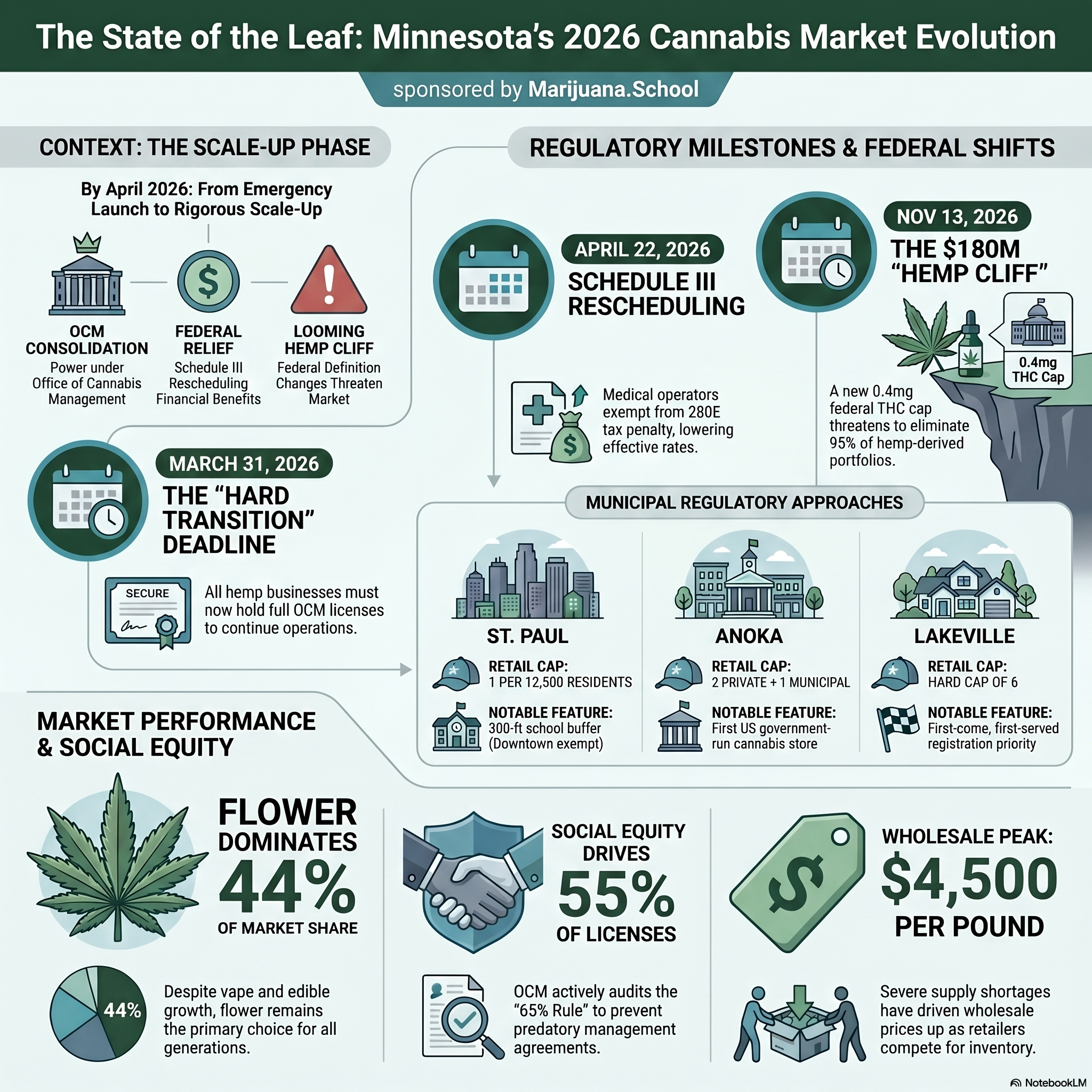
The passage of Senate File 4401 represents a decisive pivot in Minnesota’s regulatory trajectory by unifying the isolated medical, adult-use, and hemp-derived segments under the Office of Cannabis Management. The legislation provides a legislative lifeboat for the industry ahead of the federal hemp cliff through dual licensing. It also reshapes the landscape with merged supply chains, macrobusiness tiers, and new on-site consumption endorsements for social dining experiences.
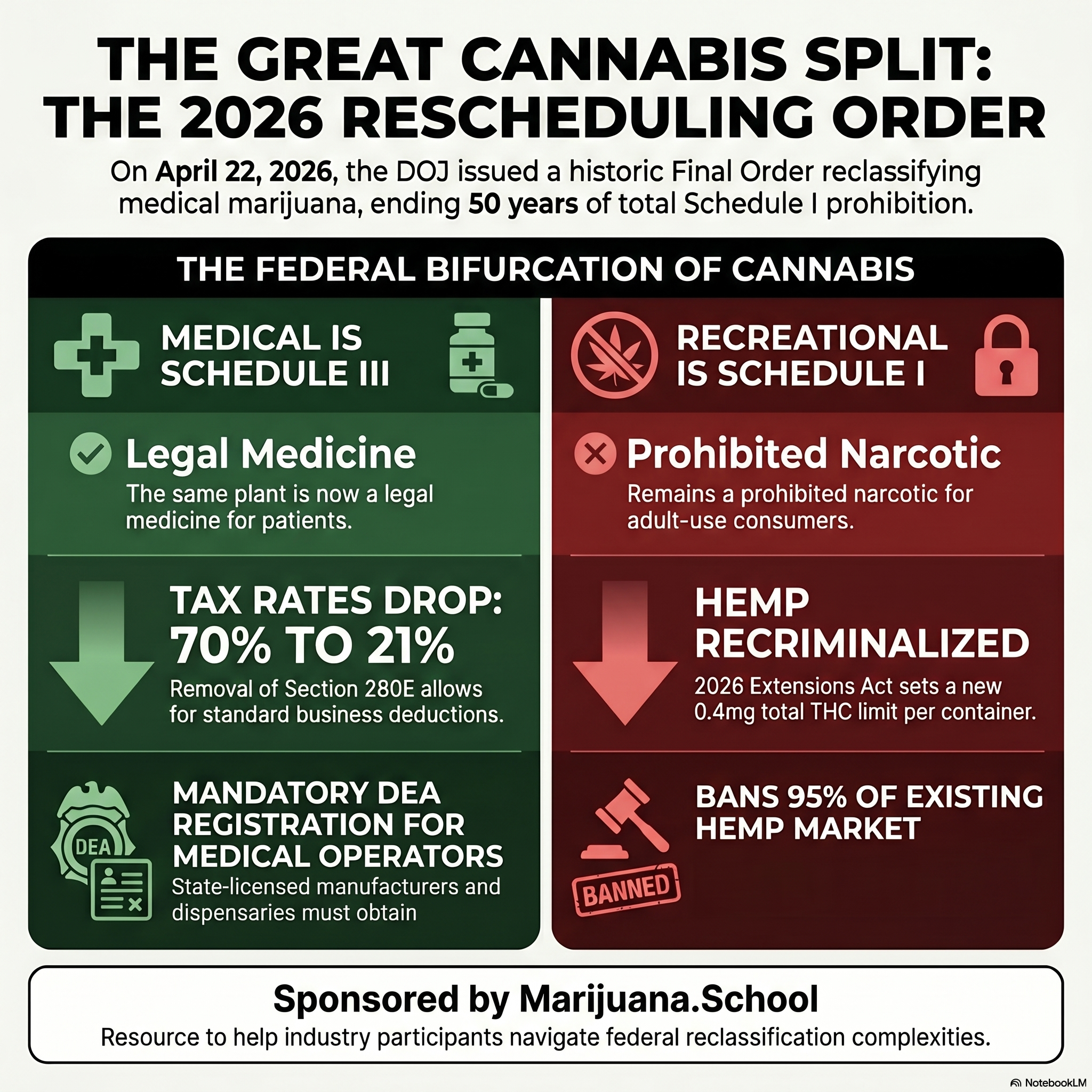
The April 2026 federal rescheduling order has fractured the American cannabis landscape. By moving medical marijuana to Schedule III while leaving adult-use in Schedule I, the government has created a stark legal and financial divide—offering immediate tax relief to medical operators while leaving recreational businesses stranded in the cold.
Minnesota’s new 2026 Cannabis Omnibus Bill dramatically alters the state’s marketplace. By introducing a “Ratio Hemp-Infused Cannabis Product” category, the legislation effectively doubles individual serving limits to 10 mg of THC and quadruples retail packaging caps to 200 mg. Discover how these updated milligram caps, along with the newly established Cannabis Macrobusiness licenses and adjusted social equity funding rules, are reshaping the industry landscape for local hemp manufacturers and retailers.
Explore the pivotal, surprising shifts defining the Minnesota cannabis market in 2026. From the Office of Cannabis Management’s unified regulatory framework to massive federal tax savings sparked by medical marijuana’s Schedule III rescheduling, the state’s landscape is rapidly transforming. However, with a looming federal hemp ban threatening local craft breweries, stakes are incredibly high. Discover the top takeaways shaping Minnesota’s complex green rush right now.
In April 2026, the DOJ enacted a tectonic shift by reclassifying medical marijuana to Schedule III. While this historic move validates cannabis’s medical utility and eliminates crippling Section 280E taxes for medical operators, recreational cannabis remains trapped in Schedule I. This unprecedented “partial rescheduling” creates a bizarre dual-status reality where the exact same plant is treated as both a recognized medicine and a prohibited narcotic, forcing businesses to navigate a highly complicated legal landscape
As of March 17, 2026, efforts to reschedule marijuana from Schedule I to III face substantial administrative challenges, with the Department of Justice (DOJ) missing key deadlines and the Drug Enforcement Administration (DEA) experiencing procedural stasis. Key stakeholders express skepticism about the government’s commitment to reform, particularly due to ongoing tax issues under Section 280E, which burdens cannabis businesses. Additionally, while some states refine their cannabis frameworks, federal reform remains uncertain, indicating a prolonged conflict between executive mandates and administrative realities.
Stop guessing and start engineering. Move beyond “brownies in a bag” with this professional-grade masterclass in cannabis confectionery. This comprehensive guide breaks down the high-stakes chemistry of decarboxylation, the bioavailability of MCT vs. butter, and the essential role of lecithin in preventing “edible roulette.” Featuring precision dosing formulas, terpene-pairing flavor profiles, and a protocol for the perfect fudgy texture, this is the definitive resource for transforming a standard dessert into a sophisticated, science-backed delivery system.
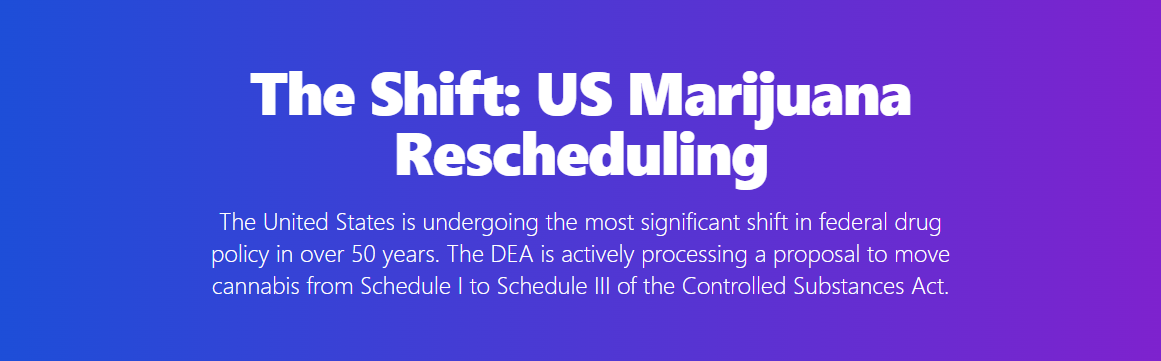
Recent federal directives aim to transition cannabis from a Schedule I to a Schedule III controlled substance under the Controlled Substances Act. This historic shift acknowledges the drug’s medical utility while promising significant tax relief for businesses by removing the burden of IRC Section 280(e). Despite these financial benefits, the move does not federally legalize recreational use or resolve long-standing hurdles in banking and trademark registration.